
What's the difference between a Philippine Business Visa and a Tourist Visa? 6 Key dimensions compared
Many people planning to visit the Philippines often confuse business visas withTourist Visa: Traveling for business to negotiate partnerships—doing it this way saves trouble.Tourist VisaFace questioning or even return at customs; using a business visa for pure leisure trips leads to delays from document resubmission and unnecessary expenses. Many applicants fail to distinguish between the two before applying, resulting in itinerary disruptions or adverse immigration records that affect future visa applications in Southeast Asia. Today, we clarify the key differences across 6 core dimensions to help you choose correctly and avoid detours.
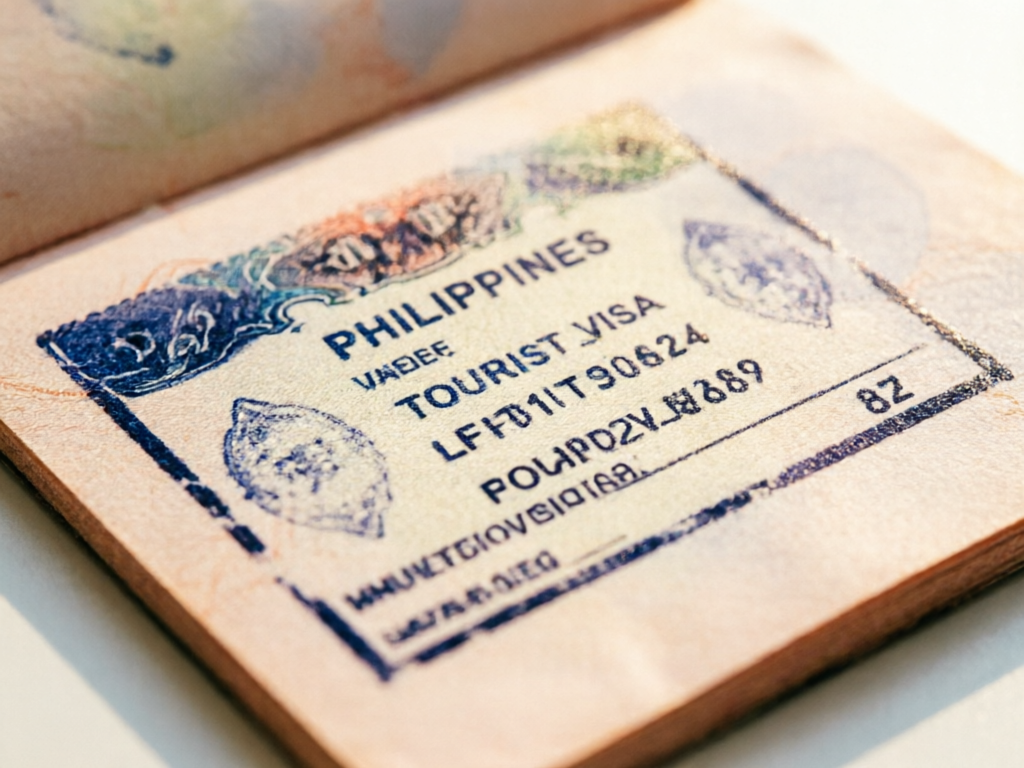
1. Compare 6 core dimensions—differences are clear at a glance
1. Purpose of Entry and Duration of Stay: Fundamental differences in intent
This is the key difference between the two visas, directly determining whether you can legally enter and carry out the corresponding activities.
Tourist Visa: Only for non-commercial personal activities such as tourism, visiting family or friends. Standard single-entry approval grants a stay of 30 days; qualified applicants may receive 59 days. After entry, you can renew with the Philippine Immigration Bureau for a maximum cumulative stay of 24 months. Note: Holding a tourist visa strictly prohibits any business activities, including attending free conferences or discussing samples.

Business Visa: Designed for business meetings, project inspections, trade shows, and internal corporate training. Standard single-entry approval allows a stay of up to 59 days, with some cases extending to 90 days; ideal for frequent travelers between China and the Philippines.
2. Application requirements: Business visas have higher thresholds and require 4 additional core documents.
Tourist visas are low-barrier, short-term visas requiring only 5 basic documents; business visas require additional commercial documentation and undergo stricter review.
Core documents for tourist visa: Passport valid for at least 6 months, 2 2-inch white-background photo, round-trip flight tickets + hotel reservations for the entire stay, employment verification letter or bank statements from the last 6 months, and completed visa application form.
Business Visa Core Documents: In addition to tourist visa requirements, submit the official invitation letter from the Philippine host company, SEC registration documents of the Philippine host company, official sponsorship letter from your domestic company, and a stamped copy of your business license.
3. Processing time: Business visa reviews are stricter and take 2-3 business days.
Both are sticker visas requiring no in-person appearance, though approval standards differ significantly.
Tourist Visa: Simple process. After submission, your application goes directly to the embassy for review; interviews are rare. Standard processing takes 5-7 business days; expedited service can be completed in as little as 3 business days. Additional documents are rarely required.
Business Visa: The consulate will verify the authenticity of business activities and may contact both companies for confirmation. Standard processing takes 7-10 business days; expedited service requires 4-5 business days. Multiple-entry Business Visas valid for 1 years typically take 10-15 business days to process.
4. Processing fees: Business visa costs are approximately 40% higher overall.
Including visa fees and service charges, business visas cost significantly more.
Tourist Visa: Official single-entry visa fee is approximately 200 CNY. With the processing service fee, the total cost ranges from 300 to 500 CNY.
Business Visa: Official visa fee is approximately 350 CNY for single-entry, 600 CNY for 6-month multiple-entry, and 800 CNY for 1-year multiple-entry. Including document pre-review, invitation letter guidance, and other service fees, the total agency processing cost ranges from 600 to 1200 CNY.
5. Compliance Risk: Obtaining the wrong visa can lead to immediate deportation.
Do not attempt to enter with misleading documentation; Philippine Customs conducts rigorous verification of your entry purpose.
Tourist Visa: Intended solely for leisure. If Customs discovers business samples, trade show materials, or if you mention business activities during questioning, you will likely be denied entry, immediately deported, and flagged with a negative record. Even if admitted, engaging in unauthorized business activities may result in significant fines, immigration violations, or deportation.
Business Visa: Allows legal engagement in various business activities. Present invitation and dispatch letters upon entry for smoother clearance with minimal questioning regarding your purpose. However, this visa does not permit full-time paid employment; long-term formal work requires a Philippine work visa.9G Work Visa。
6. Renewal and Transfer: Business visas offer greater flexibility
Tourist Visa: Extendable for 1–2 months per entry, with a maximum cumulative stay of 24 months. Cannot convert to business or work visas locally; must leave the country and reapply from abroad.
Business Visa: Single-entry business visas can be renewed normally, with a maximum cumulative stay of 24 months. Eligible holders may convert to a long-term business visa or 9G work permit locally without leaving the country—ideal for professionals requiring extended stays.
II. How to choose for different groups? No more confusion by matching 2 scenarios
The logic is clear: the key factor is your travel purpose.
Choose a tourist visa: for pure tourism, vacation, or visiting family and friends with no business activities. If your trip is within 30 days, apply for a tourist visa directly—simple documentation, fast approval, and low cost.
Choose a business visa for company-organized business trips, trade shows, partnership negotiations, or project site visits. If you need multiple entries or plan to stay longer than 30 days per visit, a business visa is mandatory. Do not risk fines or entry denial by opting for a tourist visa to save a few dollars.
3. Professional Visa Services – Hassle-Free Philippine Visas
We specialize in Philippine visa services, having assisted over 12000 applicants. We operate through official submission channels across 4 Philippine Consulates-General in China (Beijing, Shanghai, Guangzhou, Xiamen), with deep expertise in each consulate's review standards and current policies. For business visa clients, we offer comprehensive support including invitation letter templates, 1-to-1 document pre-review, mission letter optimization, and expedited processing. Our business visa approval rate consistently exceeds 98%, with approvals as fast as 3 working days. We have successfully served hundreds of companies in foreign trade, exhibitions, and engineering sectors.
The core difference between Philippine business and tourist visas lies in the purpose of travel: tourist visas cater to leisure, while business visas serve official duties. All variations in required documents, processing time, fees, and permissions stem from this fundamental distinction. The biggest mistake when applying for a visa is cutting corners or misusing visa categories; compliant travel is always the most hassle-free option. If you're unsure which visa to apply for, need help preparing your documents, or require urgent processing, contact our visa consultants today. You'll receive 1 free travel plan assessments and 1-on-1 guidance on document preparation to help you secure your Philippine visa efficiently.

Related Articles
How many days to process a Philippines tourist visa in Liuzhou? Complete guide to the latest processing times.
2026-10-12 20:20:54

Complete Guide to Applying for a Philippines Tourist Visa in Liuzhou: Local Submission, Processing Time & Pitfall Avoidance
2026-10-12 19:18:05

Philippines Visa Fee Schedule 2026 | Official Latest Rates + Complete Breakdown by Visa Type
2026-10-12 17:51:58