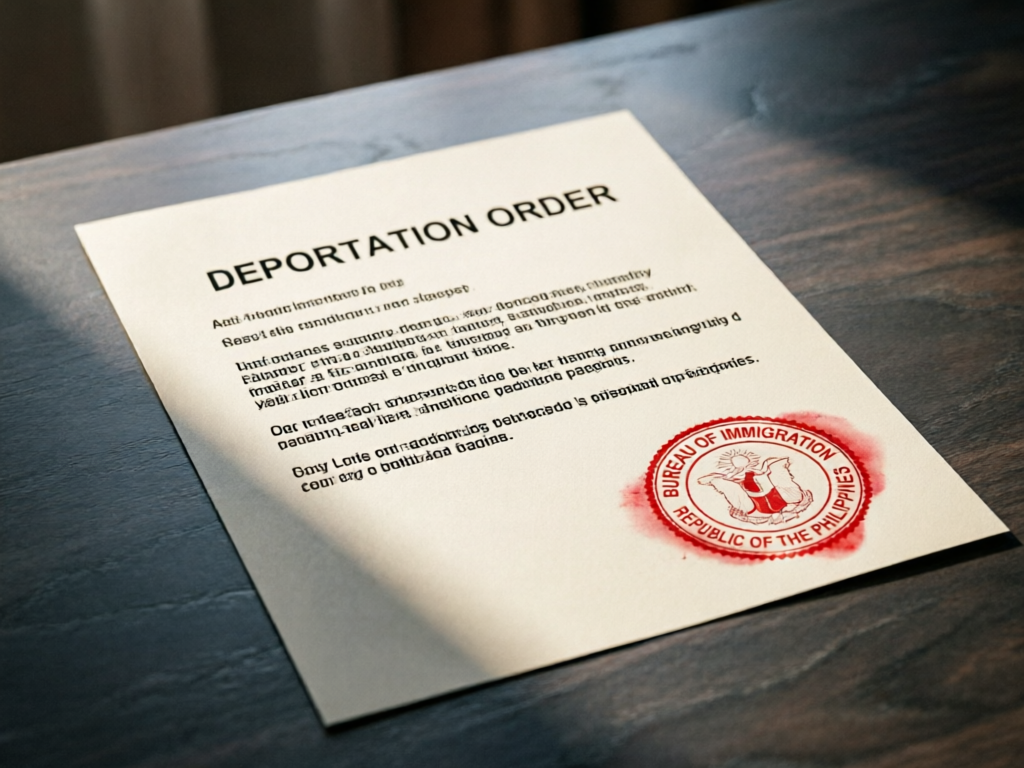
Emergency Bail Plan for Guangxi "Old Bros" Repatriated from the Philippines | Latest Procedures
many广西老表赴菲务工、经商或旅游,本想着顺顺利利办事,没成想一不小心挨嘢——要么逾期太久被移民局带走,要么机场入境直接被扣,转眼就面临遣返流程。护照被扣、语言不通、关在拘留所联系不上外界,国内家属干着急却帮不上忙。很多人第一反应就是能不能先保释出来?,今天就把菲律宾境内遣返保释的全流程、避坑要点和应急步骤讲透,帮广西街坊们在异国快速搞掂麻烦。
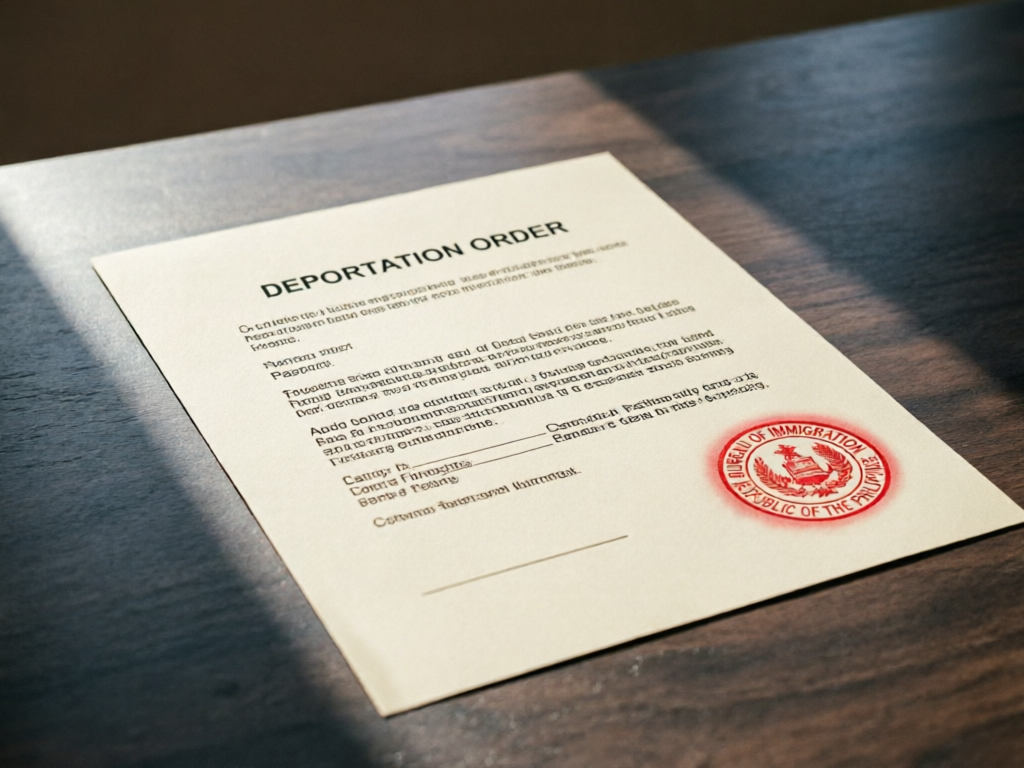
Preemptive measure: Philippine deportation law allows for bail application
Many individuals detained become panicked, believing they must simply wait for deportation. This is not the case. Foreign nationals in deportation proceedings may apply for administrative bail. This is a statutory form of temporary relief that does not absolve them of deportation responsibility but allows them to regain personal freedom while their case is pending, subject to regular check-ins with Immigration and ultimately departure as required.
Key figures to remember: The standard bail amount for deportation cases involving ordinary overdue status is 50000 pesos, which may increase in severe cases. Normal processing at the Manila Immigration Bureau takes 7-15 business days; express channels can complete release within 3 business days. After bail approval, the individual must complete all departure procedures within 30 days. Failure to depart by the deadline will result in forfeiture of the bail and additional penalties.
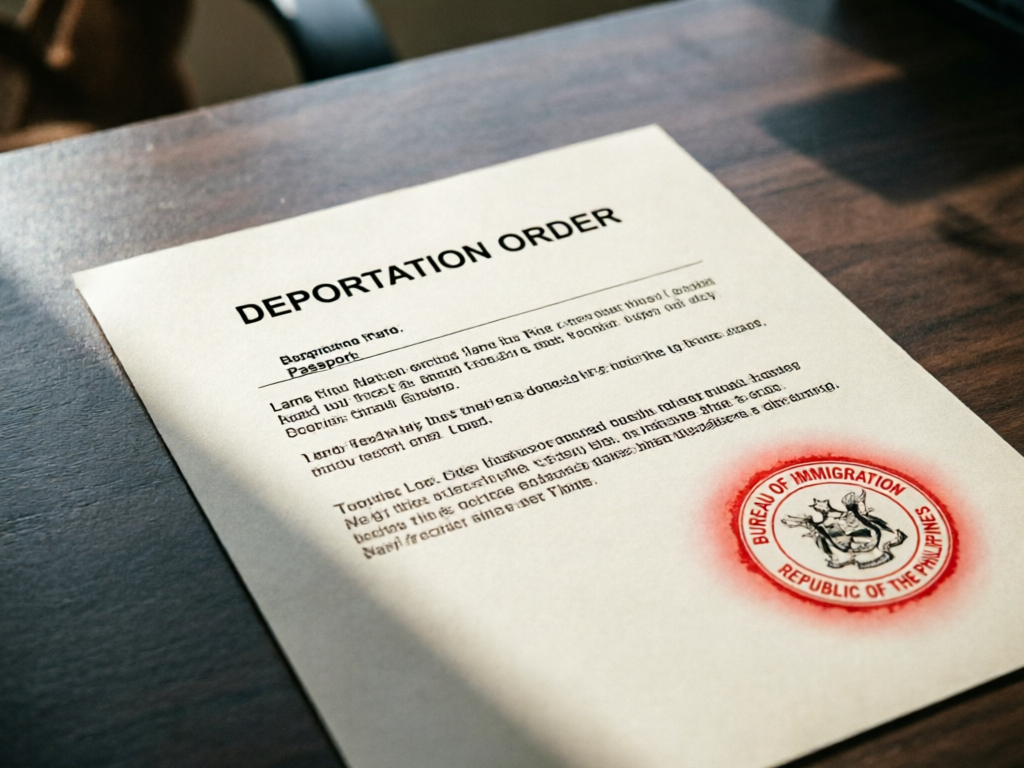
Guangxi朋友最易踩的5个保释坑,别中招
我们对接过200+广西籍在菲客户,发现很多人慌中出错踩坑,轻则多花几万冤枉钱,重则耽误最佳处理时机,坐实遣返+5年以上Blacklist。这几个高频坑点一定要记牢:
1. Signing documents without understanding English: After being detained, individuals are handed documents to sign immediately. Many mistakenly sign voluntary departure confirmations or confession statements. Once signed, they forfeit the 15-day statutory appeal period, making bail and appeals significantly harder to pursue.
2. Relying on false connections to fellow townspeople: Acquaintances often claim to know officials at immigration agencies and promise to clear records for a few thousand dollars. These scams result in lost money with no contact, or only basic fines paid while bail applications are never submitted.
3. Thinking the fine is the end of it: The 500 peso late fee is just the base cost. Add document replacement fees, appeal costs, deportation processing fees, and bail bonds, and the total expense far exceeds expectations. Many people are unprepared, causing the process to stall midway.
4. Relaxing after release on bond: Bond is a temporary release requiring weekly check-ins with Immigration and departure within 30 days. Failure to depart on time results in full forfeiture of the bond, additional penalties for absconding, and an increase in your blacklist duration from 1 to over 5 years.
5. Waiting until the deportation order arrives: Many people believe they can handle their case on their own when first detained. However, by the time a formal deportation order is issued and they are transferred to a detention center, seeking help becomes much harder. At this stage, the approval rate for bail applications drops by approximately 30%, and processing costs rise accordingly.
Complete Emergency Procedure for Repatriation Bonding Within the Philippines
For Guangxi residents facing the most common issues—overstaying, unauthorized work, and detention at airports—we've compiled a complete step-by-step guide for legitimate processing within China. We coordinate directly with official Philippine agencies, including the Bureau of Immigration and NBI.
Step 1: Emergency response within the first 24 golden hours
The first 24 hours after detention are the optimal window for action and the stage with the lowest intervention cost. Immediately take these three steps: do not sign any English documents you haven't had translated; record the detention location and the officer's ID number, then promptly contact a reputable agency or your consulate to report the incident; inform family members back home not to transfer funds blindly until the case details are verified. If detained upon airport arrival, initiate emergency response within 1 hours—before formal detention procedures begin—to maximize the chances of bail approval.
Step 2: Gather bail application materials
Submit a complete bail application to the USCIS Legal Affairs Office. Incomplete submissions will be rejected, delaying processing by 1-2 business days. Required documents include: original passport and two copies of the first page; official custody receipt if your passport was seized; copy of the arrest warrant or deportation notice issued by USCIS; notarized English affidavit explaining the violation and committing to cooperate with departure; Philippines NBI clearance specifically for deportation cases; confirmed return flight ticket with departure date within 30 days of approval; proof of bail payment or guarantee letter from an approved surety company.
Step 3: Submit Application and Release for Approval
A licensed local lawyer in the Philippines submits a formal bail petition. The Commissioner verifies the applicant's identity, violation details, and length of stay to assess flight risk. Standard overstay cases follow an administrative review process without a court hearing; cases involving unauthorized employment or criminal allegations require a formal hearing. Upon approval, bail money and administrative fees must be paid within 3 working days. Immigration issues a temporary release order, allowing the individual to leave the detention center and comply with reporting requirements for subsequent proceedings.
Step 4: Deportation after Release on Bail
Release on bail does not mean the case is closed. You must complete all deportation procedures within 30 days: pay all outstanding fines and administrative fees, confirm your final departure flight, and depart with an official release order from immigration authorities. After you leave, once the airline submits the passenger manifest to immigration, your bail money will be refunded in full via the original payment method within 15 business days.
Important Notes for Friends in Guangxi
1. Filipino-based individuals from Guangxi are mainly concentrated in Manila, Cebu, and Clark. Processing efficiency varies significantly by region: the Manila headquarters offers the fastest review, with results issued in 2-3 weeks; branch offices in other locations like Cebu require 4-6 weeks. For urgent cases, we recommend transferring your application to the Manila headquarters to cut processing time by nearly half.
2. 很多广西老表跟着老乡务工,未办理正规9G工签属于违规就业,这类情况保释金会比普通逾期高20%-50%,黑名单期限通常为2-5年。
3. If the family is in Guangxi, China, there's no need to fly to the Philippines. You can authorize a qualified local agency to handle everything on your behalf. Just provide a scanned copy of the passport and a power of attorney. Track progress online throughout the process—no wasted flights or unnecessary travel costs.
If you or a loved one are facing deportation or detention in the Philippines, contact us anytime through our 24-hour emergency hotline for a free bail assessment. We respond within 1 hours with dedicated support to resolve your issues quickly and ensure a safe return home.