
What Does the Philippines OTL Departure Order Mean? Latest Definition, Consequences, and Complete Guide
Many friends who stay long-term in the Philippines, regardless of their visa statusTourist VisaWhether you're renewing your visa, living long-term in the country, or overstaying after entering visa-free, you may encounter an Order to Leave (OTL) issued by immigration authorities. Many people are confused at first: Does this only happen if you've overstayed for a long time? Is this just a routine notice or a formal penalty? Will it result in a permanent record? Today, we'll break down how OTLs actually work based on Philippine immigration procedures so you can clearly understand whether you need to apply and how to proceed.
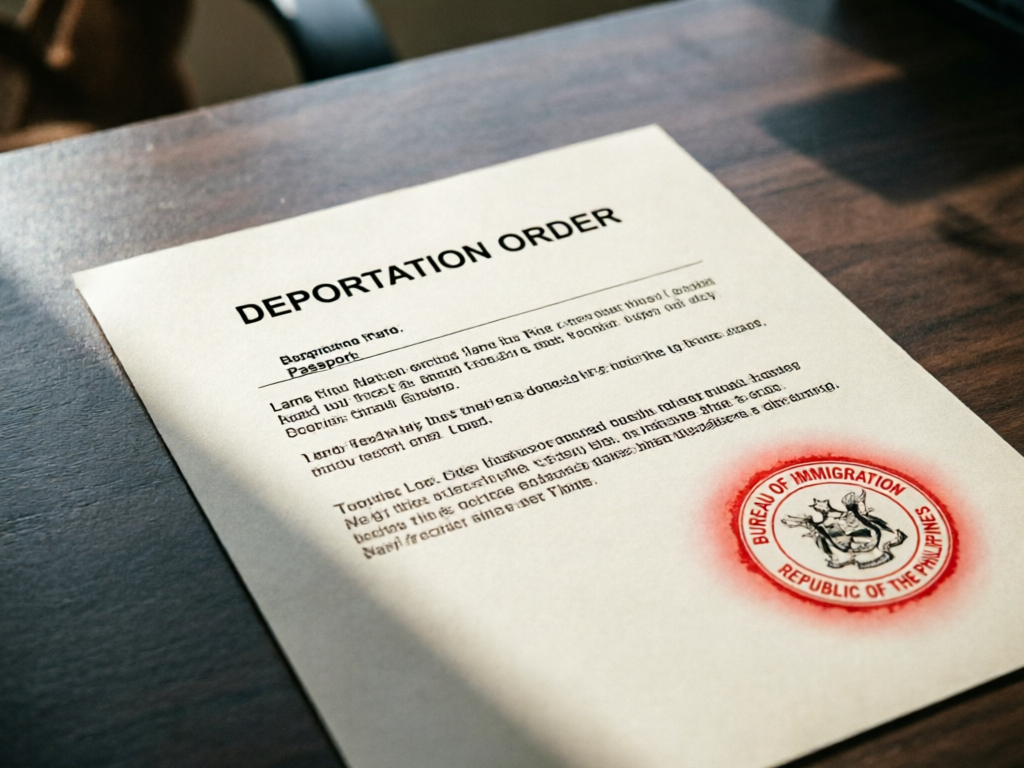
In short, OTL stands for "Order to Leave," a mandatory departure order issued by the Philippine Bureau of Immigration to foreign nationals who have violated stay regulations. This administrative document requires the individual to voluntarily exit the Philippines within a specified timeframe and represents a moderate-level penalty within the country's immigration enforcement system.
1. Who is required to obtain an OTL Exit Permit?
Under the Philippine Bureau of Immigration's operational standards, two main categories of individuals are required to obtain an Overseas Travel License (OTL) for departure. These represent the most common scenarios triggering this requirement:
1. Travel visa holders who have stayed in the Philippines for more than 2 years in total: If you enter on a 9A tourist visa and renew it multiple times until your cumulative stay reaches 24 months, you will hit the maximum allowed duration. You will no longer be able to renew normally. The Immigration system will automatically issue an Order to Leave (OTL), and you must complete all departure formalities before leaving the country.
2. Overstayers after visa-free entry for 14 days: Chinese passport holders enjoying visa-free entry to the Philippines for 14 days cannot extend their stay upon expiration. If they overstay, they cannot simply pay a fine at the airport and depart; they must visit the Bureau of Immigration to obtain an Order to Leave (OTL) and complete all required procedures before legally exiting the country.
In addition to these two core groups, a small number of special cases may also trigger OTL requirements, such as9G Work VisaIndividuals holding long-term visas such as 9F student visas who fail to depart within the prescribed period after visa cancellation will also be required to process OTL procedures.
2. What are the actual consequences of receiving an OTL departure order?
Many believe the OTL is just a formality, but it actually involves 3 critical factors that directly affect your eligibility to enter the Philippines.
1. Strict departure deadline: Upon approval of a standard OTL departure order, the individual must depart within 72 hours to 15 days, as specified in the document. Failure to leave voluntarily by the deadline will escalate the penalty to a formal deportation order, shifting from an administrative sanction to mandatory removal, which is significantly more severe.
2. Duration of entry restriction: In cases of overstaying a visa-free short visit for 2 years or simply staying over the permitted period, compliance with OTL departure procedures typically does not result in immediate inclusion.BlacklistHowever, there will be an entry observation period of 1-2 years; if the overstay is prolonged or the circumstances are serious, a formal entry ban of 1-3 years may apply, during which normal visa applications to the Philippines cannot be processed.
3. Overdue fines and system record: All overdue fines must be settled before applying for an OTL. Fines for visa-free overstays or tourist visa overstays typically start at 5000 PHP per month. Additionally, the OTL record will remain permanently in the Philippine Immigration System, leading to heightened scrutiny on future visa applications.
Comply with OTL procedures and depart on time. You won't be immediately blacklisted by Philippine authorities; only an overstay record will remain. Simply explain the situation when applying for your next visa—no need to worry excessively.
III. 4 Key Considerations for Processing an OTL Departure Order
Processing OTL isn't complicated, but there are 4 common pitfalls you should avoid to save time:
1. Do not attempt to bypass airport security: Many people assume they can pay the fine at the airport, but this is a critical mistake. Individuals meeting OTL trigger conditions will be denied on-site payment by customs and held for inspection, causing travel delays and heavier penalties.
2. Clear fines before applying for OTL: You cannot apply for OTL directly. First, settle any overdue MR fines and obtain the clearance certificate. Only then can you submit your OTL application. Applications submitted in the wrong order will be rejected immediately.
3. Watch the departure deadline: After OTL approval, you have a fixed validity window—typically 72 hours. If you don't depart within this period, your authorization becomes invalid immediately. Overstay days will accumulate, resulting in wasted processing time and additional fines.
4. Keep all documents safe: retain scanned copies of the fine payment receipt, OTL official document, and your passport's exit stamp page. These are essential materials required for future Philippine visa applications and exemption record requests.
IV. Frequently Asked Related Questions
1. What is the difference between an OTL departure order and a repatriation order?
In simple terms, an OTL allows you to voluntarily comply and depart, representing a moderate administrative procedure. You can arrange your travel plans independently, and complying with the process has minimal impact on future entry. In contrast, a Deportation Order involves forced removal, constituting a severe immigration penalty that results in immediate placement on an official blacklist, leaving little to no room for appeal. The severity of these two measures is vastly different.
2. Can I still appeal after completing OTL?
If you disagree with the overdue duration or violation determination, you may submit an appeal within 3 working days of receiving the OTL notice. For instance, if there are valid reasons such as sudden illness or accidents, supporting documents like medical certificates or accident reports can be provided to potentially adjust the penalty or extend your departure deadline.
Professional Service Guarantee
We specialize in Philippine entry and exit services. With offline service centers in Manila and Cebu, our team has successfully handled over 320+ OTL (Exit Clearance) applications and appeals. We are well-versed in the approval standards and procedures of the Bureau of Immigration and its regional offices. From calculating overstay duration and settling fines to submitting OTL documents and completing departure formalities, we provide end-to-end, dedicated support for each case. Let us handle the bureaucracy so you can avoid unnecessary trips to the immigration office. Your case can be processed in as little as 3 business days, ensuring a smooth and hassle-free departure.
In general, the Philippines OTL departure order targets individuals who have overstayed for more than 2 years or violated visa-free entry conditions. This is a formal departure procedure mandated by the Bureau of Immigration. While not classified as a severe blacklisting penalty, failing to follow the proper process can escalate into more serious consequences, affecting your future travel to and from the Philippines.
If you're currently over your permitted stay or have overstayed a visa-free entry, are unsure whether to apply for an OTL, or need to expedite your departure procedures, contact our professional consultants directly. Get a free, personalized assessment and tailored solution to resolve your Philippine departure challenges at the lowest cost and in the shortest time.

Related Articles

What to Do If You're a Chinese National Being Deported from the Philippines: Complete Guide to Removing Blacklist Status and Re-entering
2026-10-12 18:28:45
Consequences of Visa Overstay for Beihai Residents in the Philippines: A Comprehensive Guide to Impacts, Timelines, and Solutions
2026-10-09 15:43:01
Philippines Exit Order (OTL) Still Pending! Forced Departure Leads to Immediate Deportation
2026-10-09 15:43:01